Code-portability: a v2 axis proposal (June 2026)
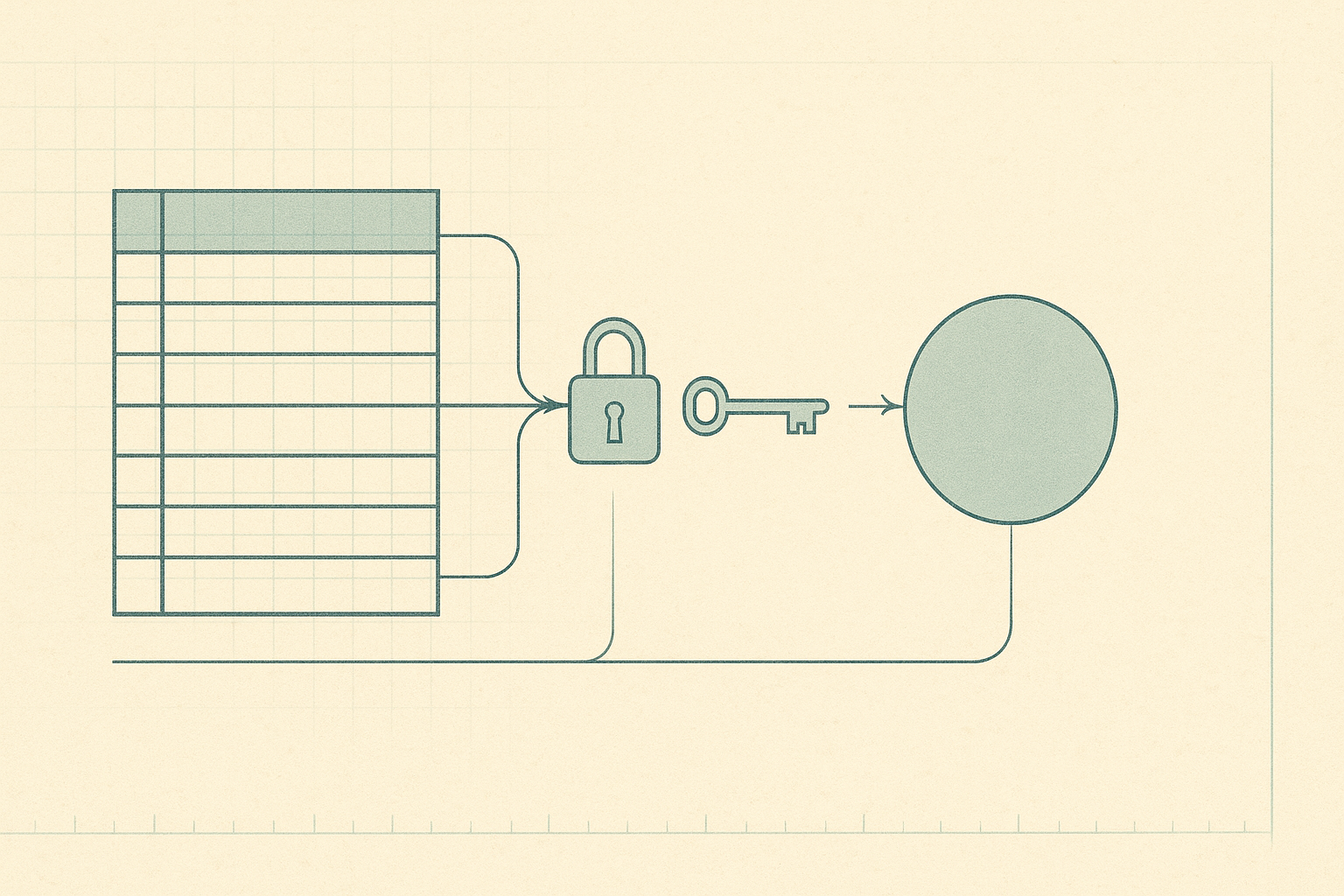
We are proposing a fifth BuilderProof axis to score whether an AI app builder ships code that can leave the platform. Five sub-axes, 0 to 100, provisional cohort scores included.
Tag
17 posts tagged.
We are proposing a fifth BuilderProof axis to score whether an AI app builder ships code that can leave the platform. Five sub-axes, 0 to 100, provisional cohort scores included.
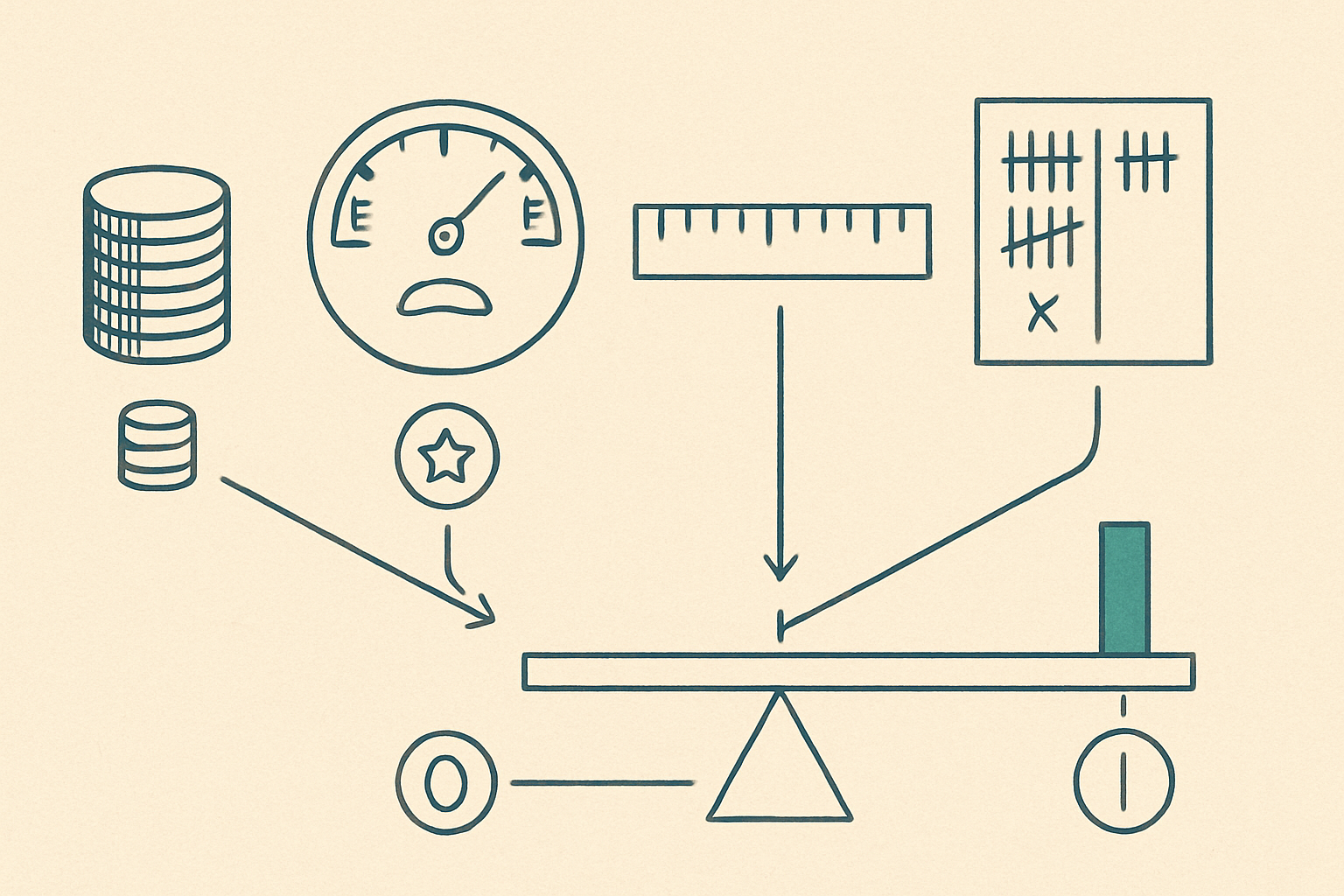
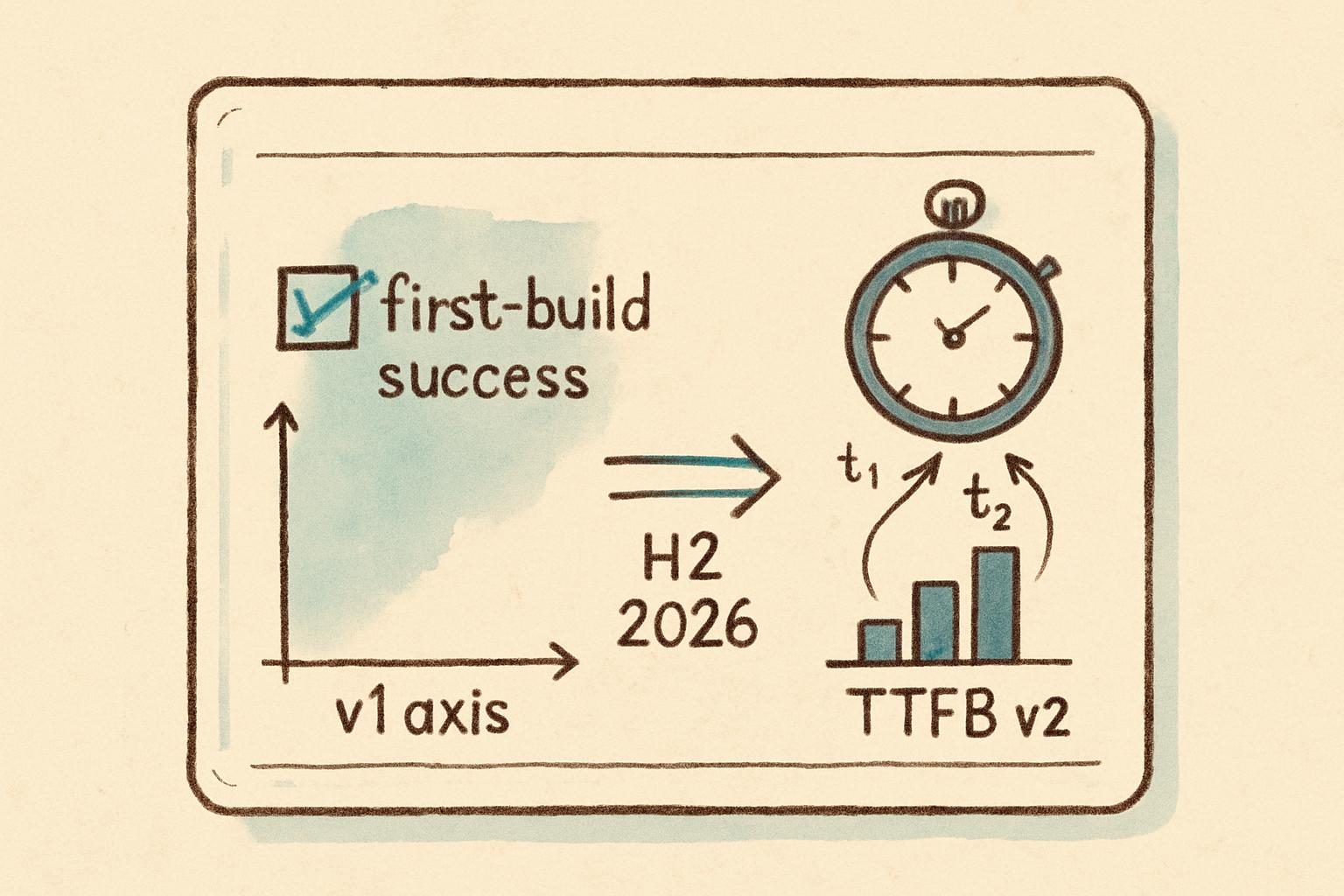
Effective with the H2 2026 ranking, BuilderProof retires binary 'first-build success' as a scored axis. The signal saturated across the seven-builder cohort. It becomes a precondition (must pass to be ranked) and the rank weight moves to time-to-first-functional-build, measured as p50 and p90 over six trials on the v1 prompt set.
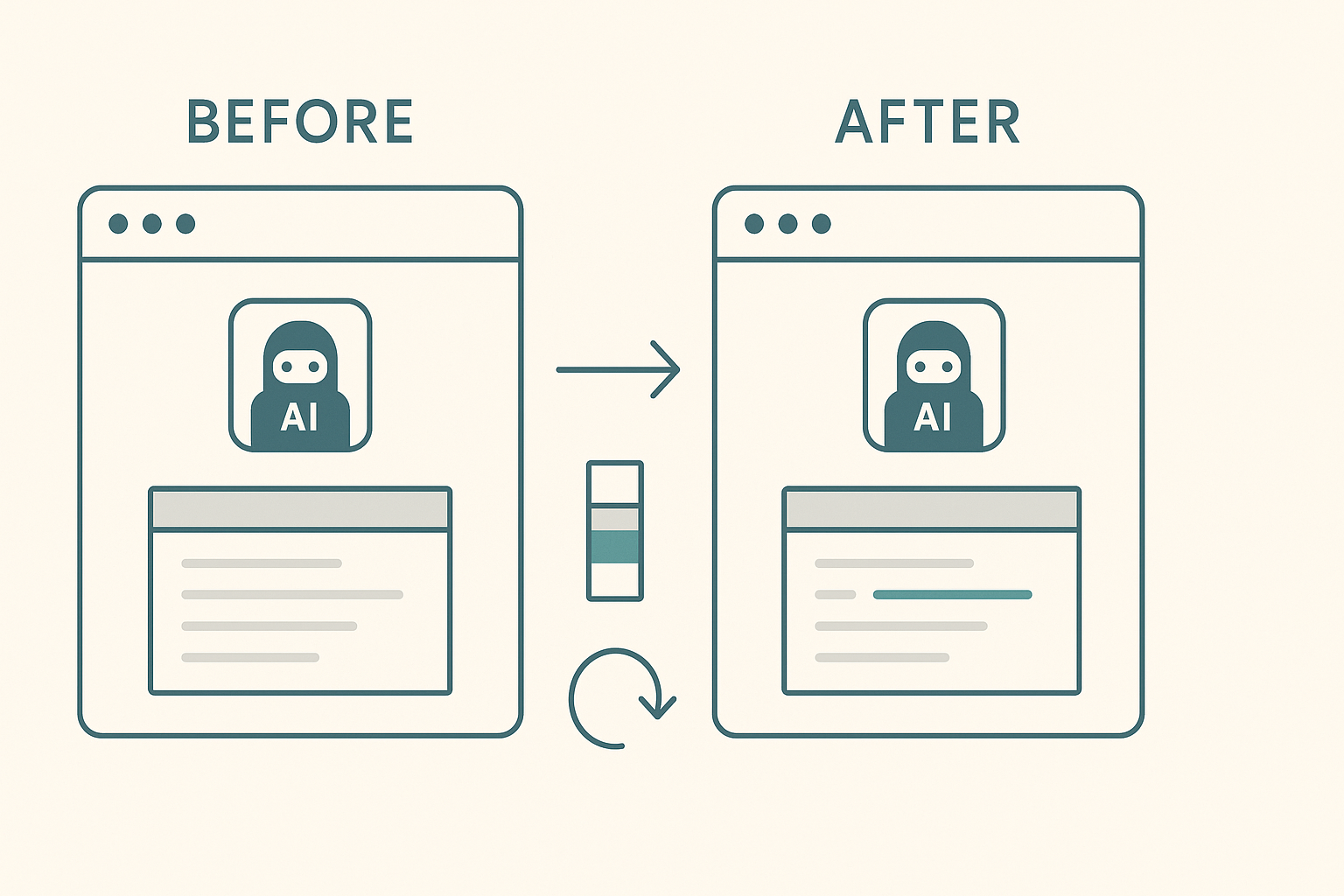
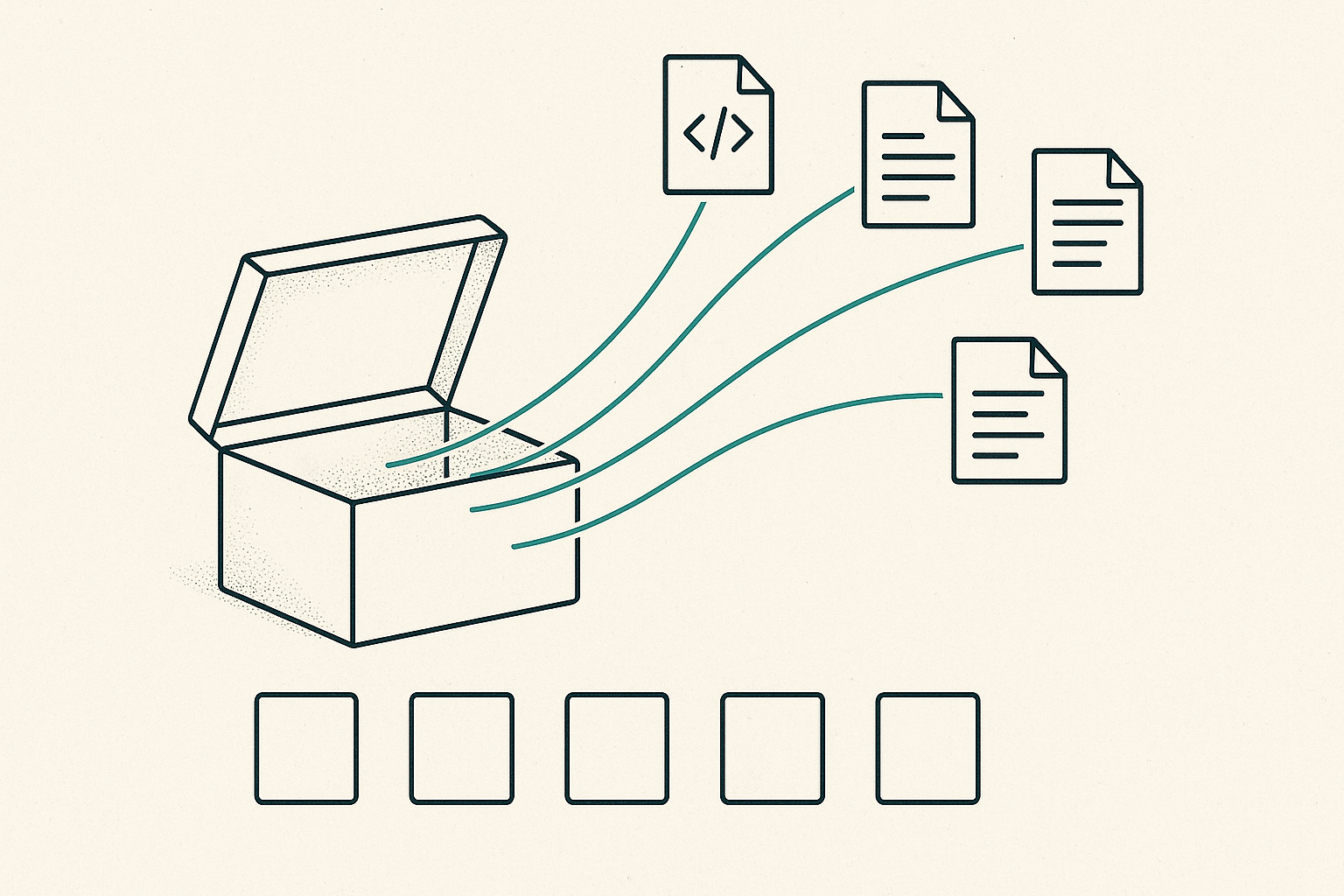
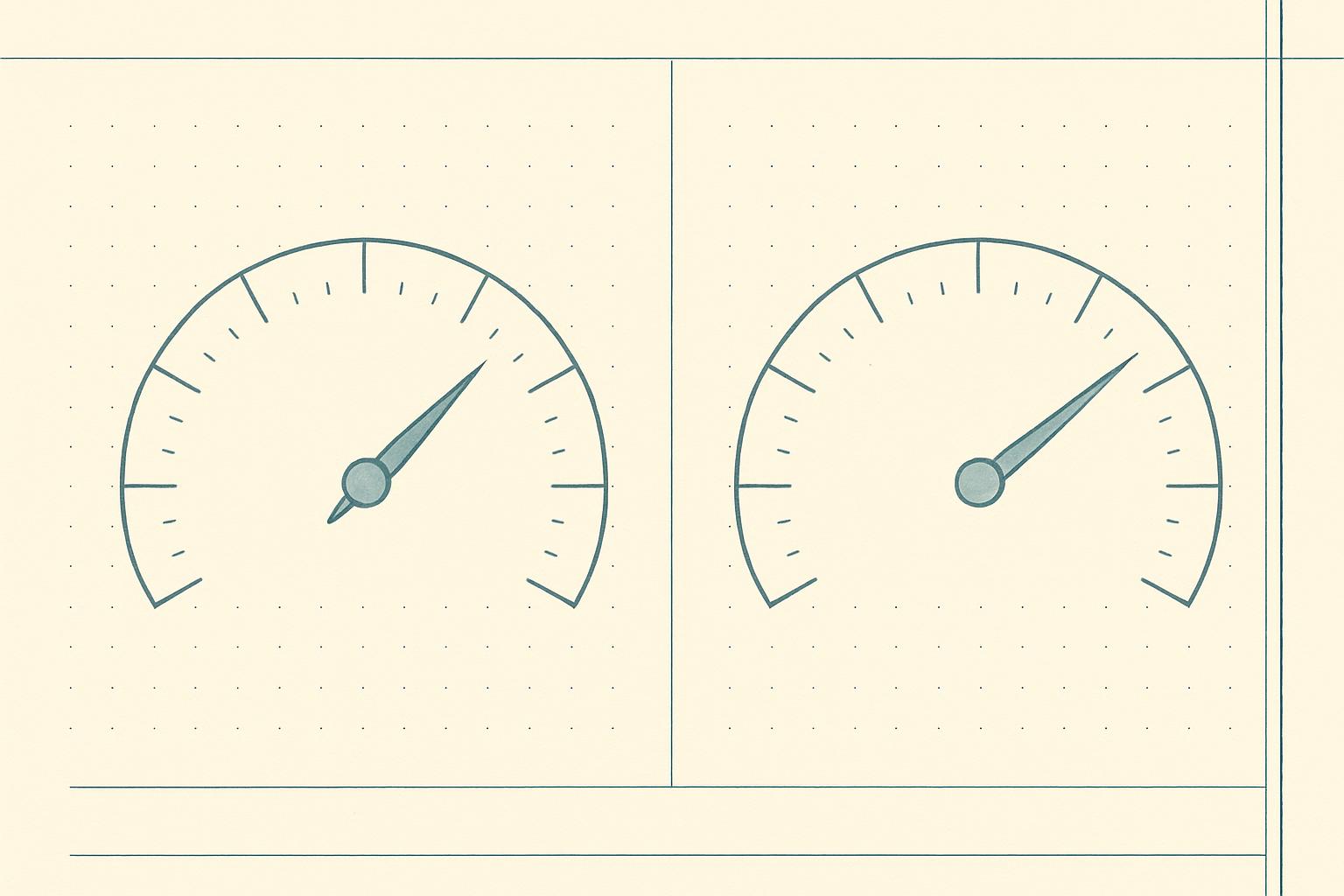
Two Lighthouse runs on the same deployed AI-builder output rarely return the same score, and that is the most-contested observation in the lab notebook for the four June 2026 BuilderProof axes. This note documents the variance phenomenon, the reproducibility protocol the next iteration will adopt, and where median-of-five runs out of road. No score from the published table is changed.
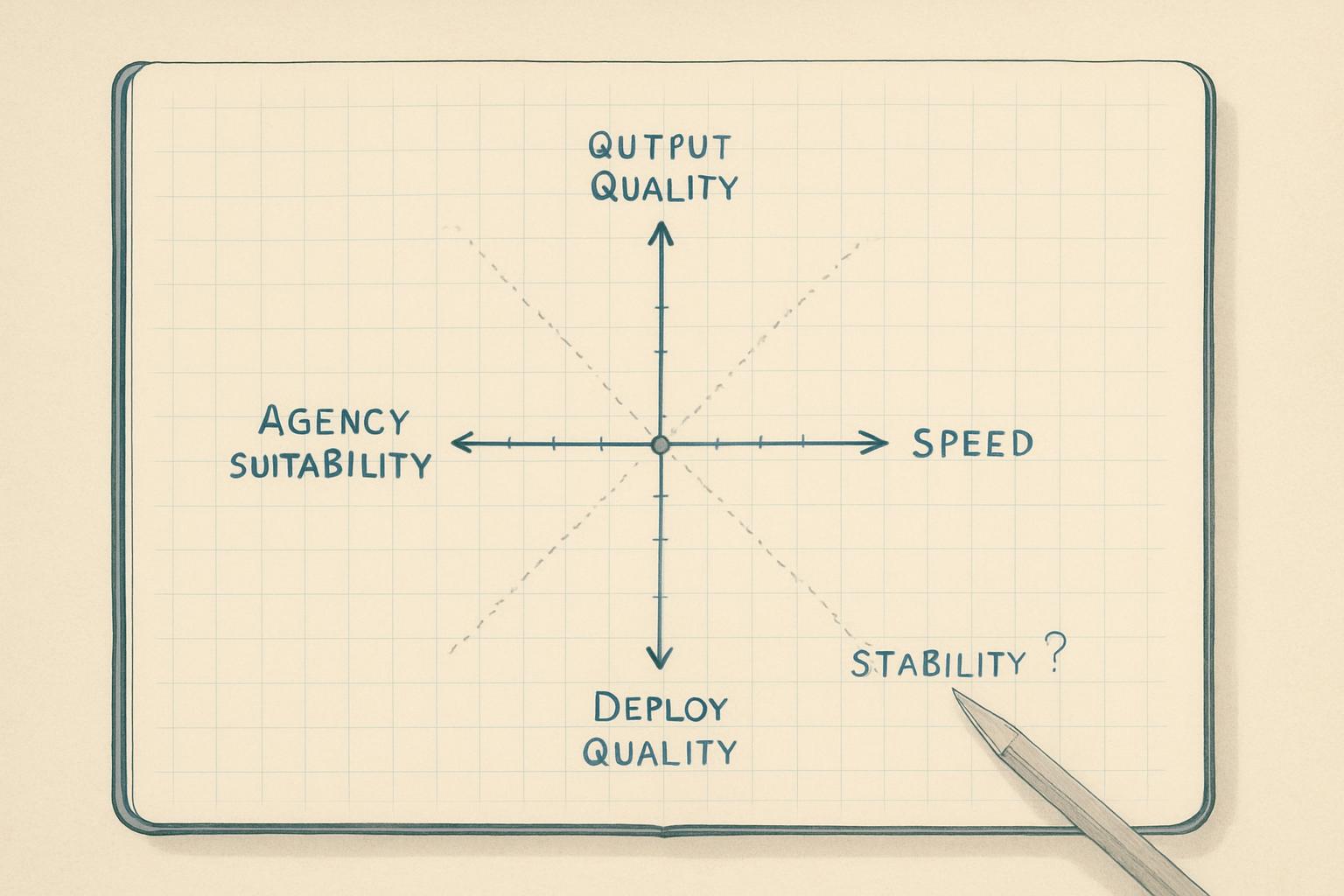
Proposing first-build stability as the fifth BuilderProof axis: the fraction of OQ-7 prompts that complete without manual intervention. Failure-mode taxonomy, measurement protocol, scoring rubric and open questions, dated June 20, 2026.
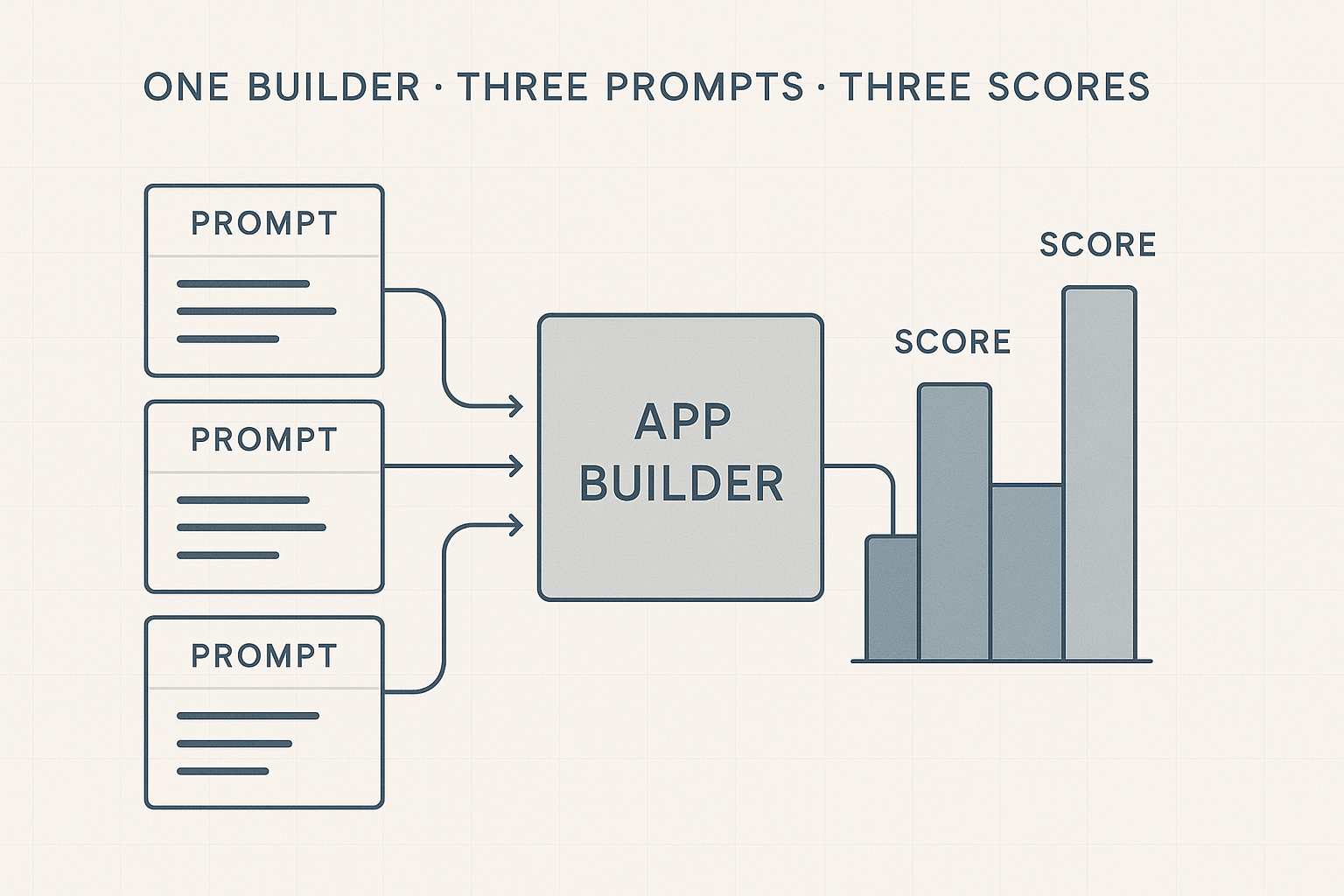
The BuilderProof methodology v1, dated June 19, 2026, in full: four axes, the OQ-7 test brief, environment standards, scoring weights, reproducibility steps, the operator disclosure, and the v2 open questions. This is the rubric that produces every June 2026 BuilderProof score.